




Whether you’re chasing a personal best, or simply aiming to stay injury-free, running demands more than just putting one foot in front of the other. Improving your mobility will help you run better, and combat the strain that desk work and tough workouts can put on your flexibility and range of motion.
Whether you’re a casual jogger, a seasoned marathoner, or a Hyrox enthusiast, mobility exercises are key to ensuring your joints move freely without pain or stiffness. Mobility work can close the gap between running well and running optimally.
To achieve optimal running mechanics, improving your joint’s ability to move through their full range of motion is crucial. Improving mobility to the hips, ankles, knees and spine can improve the way you run - making you move more freely and fluidly. Your running performance will improve, you’ll be less prone to injury, and your recovery will be accelerated.
In this article, we’ll explore more of the benefits of mobility and guide you through the essential mobility exercises every runner needs to move better and feel stronger, whether that’s tackling a trail or treadmill run.
Why Mobility Matters For Runners
Poor mobility in areas like the hips, ankles, or thoracic spine can lead to you picking up bad running habits and patterns, which can cause imbalances, pain and injuries over time.
Exercises focusing on mobility ensure your joints move smoothly through their full range of motion. So what does this mean for your 5 Ks or long-distance runs?
Mobile joints = stronger joints = more efficient running.
Stronger joints will allow you to run more efficiently, with more power, greater stride mechanics and reduced injury risks.
By incorporating mobility exercises, you can address muscle imbalances, tightness and stiffness that develop from the repetitive impact on the joints from running. Mobility also helps to strengthen the joints by increasing their range of motion, allowing them to move more freely, without restrictions.
The Benefits Of Mobility for Runners
Improved stride mechanics
Enhanced joint range of motion leads to a more efficient running gait, better mechanics and less compensatory stress on your body. Imagine being able to lengthen your stride or power up a hill without feeling restricted!
Reduced injury risk
Studies have shown that restricted mobility, particularly in the hips and ankles, is linked to injuries like runner’s knee and plantar fasciitis (W van Mechelen, et al, 1992) [1]. Enhancing joint stability and movement patterns through mobility exercises can significantly reduce the risk of injuries.
Enhanced recovery
Mobility exercises can also help speed up recovery by increasing blood flow to your muscles and reducing stiffness. Incorporating a post-run mobility workout routine can make you feel more comfortable in your body and ready to tackle your next run.
Better posture, balance and coordination
Running with incorrect form can make your runs considerably more difficult and hinder your performance, particularly during long-distance runs. A 2020 study [2] found that dynamic mobility exercises significantly enhance neuromuscular control, leading to better alignment and stability during physical activity. Furthermore, improved balance reduces the risk of tripping or stumbling on uneven terrain, while better coordination allows you to adapt seamlessly to varying speeds and conditions.
What joints should you target in mobility work?
The joints used for running are primarily the hips, knees, ankles, and feet, which support the upper body's weight and take a lot of force while running. The thoracic spine also plays a large part in stabilizing the body during running. This why it’s important to mobilize and strengthen these joints, so to optimize your running mechanics, focus on the following joint actions:
Ankles (Dorsiflexion): Crucial for absorbing impact and pushing off during each stride.
Hips (Extension, Rotation, and Flexion): Vital for forward propulsion and stabilizing your gait.
Knees (Stability and Flexion): Support the transfer of energy and maintain proper alignment.
Thoracic Spine (Rotation and Extension): Helps maintain an upright posture, proper breathing and arm swing during running.
By targeting these areas, you can improve not just your mobility but also your overall running efficiency.
10 Key Mobility Exercises For Runners
The best mobility for runners are hip mobility exercises, ankle drills and full-body dynamic stretches, which coincidentally will also help with your squats. Incorporating the following exercises regularly into your training plan is an excellent pre-run warm-up routine, and will significantly enhance your mobility allowing you to run smoother, faster and stronger.
Hip Mobility Exercises
It’s all in the hips! Hip mobility is key for runners as tight hips can limit your running power and the length of your stride, which impacts your running time and efficiency. Hip mobility also helps reduce the risk of lower back pain through proper alignment.
1. Seated 90/90 Hip Stretch
How to do it:
Sit on the floor with one leg bent at 90 degrees in front and the other leg bent at 90 degrees behind you.
Keep your chest upright and spine neutral.
Lean slightly forward over your front leg for a deeper stretch in your hip.
Hold for 30 seconds.
Keeping your feet planted, lift your knees up and rotate them to the other side and repeat.
Benefits: This hip mobility exercise targets both external and internal hip rotation, helping to improve hip mobility and flexibility, which can enhance your running stride and reduce the risk of hip-related running injuries [3].
2. Hip CARS (controlled articular rotations)
How to do it:
Start in a standing position or on all fours.
Lift one knee up toward your chest.
Slowly move your knee out to the side, then rotate it back and down in a controlled circular motion.
Reverse the motion and repeat for 8-10 reps on each side.
Benefits: Hip CARS improve the range of motion in the ball-and-socket joint, helping to prevent compensations that can lead to injury. Tight hip flexors can limit stride length and cause compensations that can lead to injury, so performing these mobility exercise~~s~~ will improve hip control and strength, which are essential for efficient running mechanics [4].
3. Hip Flexor to Hamstring Stretch
How to do it:
Start in a low lunge position with your right foot forward and left knee on the ground.
Lean forward slightly to stretch the hip flexor of the back leg.
Shift your weight back, straightening your front leg while keeping your toes pointed up to stretch your hamstring.
Alternate between these two positions for 8-10 reps, then switch sides.
Benefits: One of the favorite mobility moves amongst runners, this dynamic stretch targets two key areas important for running mobility; tight hip flexors, which can limit your leg swing and stride length, and the hamstrings which often become stiff from running.
Ankle Mobility Exercises
Limited ankle mobility causes stiffness and can lead to injuries like Achilles Tendonitis when running. Ankle mobility helps to reduce the impact when your feet hit the ground (shock absorption) and improves the force you can propel off the ground (propulsion).
4. Wall Ankle Mobility Drill
How to do it:
Stand facing a wall with your toes about a hand length away from the wall.
Step one foot back.
Bend the front knee toward the wall while keeping your heel on the ground.
Aim to touch the wall with your front knee for a deep ankle stretch.
Repeat for 10 reps per leg.
Benefits: Limited ankle mobility can negatively affect your push-off power and increase the risk of injury. A 2019 study in *Sports Medicine [5]* highlighted that improving ankle dorsiflexion reduces Achilles tendon stress and enhances stride efficiency.
5. Calf Raises
How to do it:
Stand on a step with your heels hanging off.
Push through the balls of your feet to raise your heels as high as possible.
Lower your feet back to the starting position, with your heels just lower than the step you’re standing on.
Repeat for 10 - 15 reps.
Benefits: Calf raises help to improve your range of motion in your ankles, strengthen the calves and increase ankle stability and balance when running. Strong calves also contribute to better push-off power and endurance.
Spinal Mobility Exercises
A mobile spine is key to good posture and balance when running, as they teach you to keep upright and aligned when running, which is especially important if you’re hunched over at a desk all day. This helps reduce the risk of discomfort and pain in the lower back and shoulders, particularly beneficial for long-distance runners.
6. Cat-Cow
How to do it:
Start on your hands and knees in a tabletop position, spine is neutral.
Your shoulders should line up over your wrists and hips over your knees.
Inhale and arch your back downward, lifting your head and tailbone toward the ceiling (Cow Pose).
Exhale and round your back, tucking your chin and tailbone toward your chest (Cat Pose).
Repeat for 10-12 cycles, moving slowly and with control.
Benefits: This yoga-inspired exercise mobilizes the spine and improves flexibility in the back, shoulders and neck. It also promotes better posture and can help reduce back stiffness from repetitive impact (especially important if you’re a road runner).
7. Open Book Rotation
How to do it:
Lie on your side with your knees bent at around 90 degrees.
Extend your arms straight in front of you, palms together.
Rotate your top arm across your body, and “open” like a book, keeping your legs pressed together.
Repeat for 10 reps and then swap sides.
Benefits: Don’t overlook the importance of your arm movements when running. A mobile thoracic spine improves arm swing and allows for better breathing during runs. Strong spinal mobility also helps prevent shoulder or lower back discomfort when running, allowing you to focus on the leg work.
Leg Mobility Exercises
Leg mobility enhances stride efficiency by reducing tightness in key muscles like the hamstrings and quads. These exercises help improve flexibility, reduce injury risks, and ensure a smoother running motion.
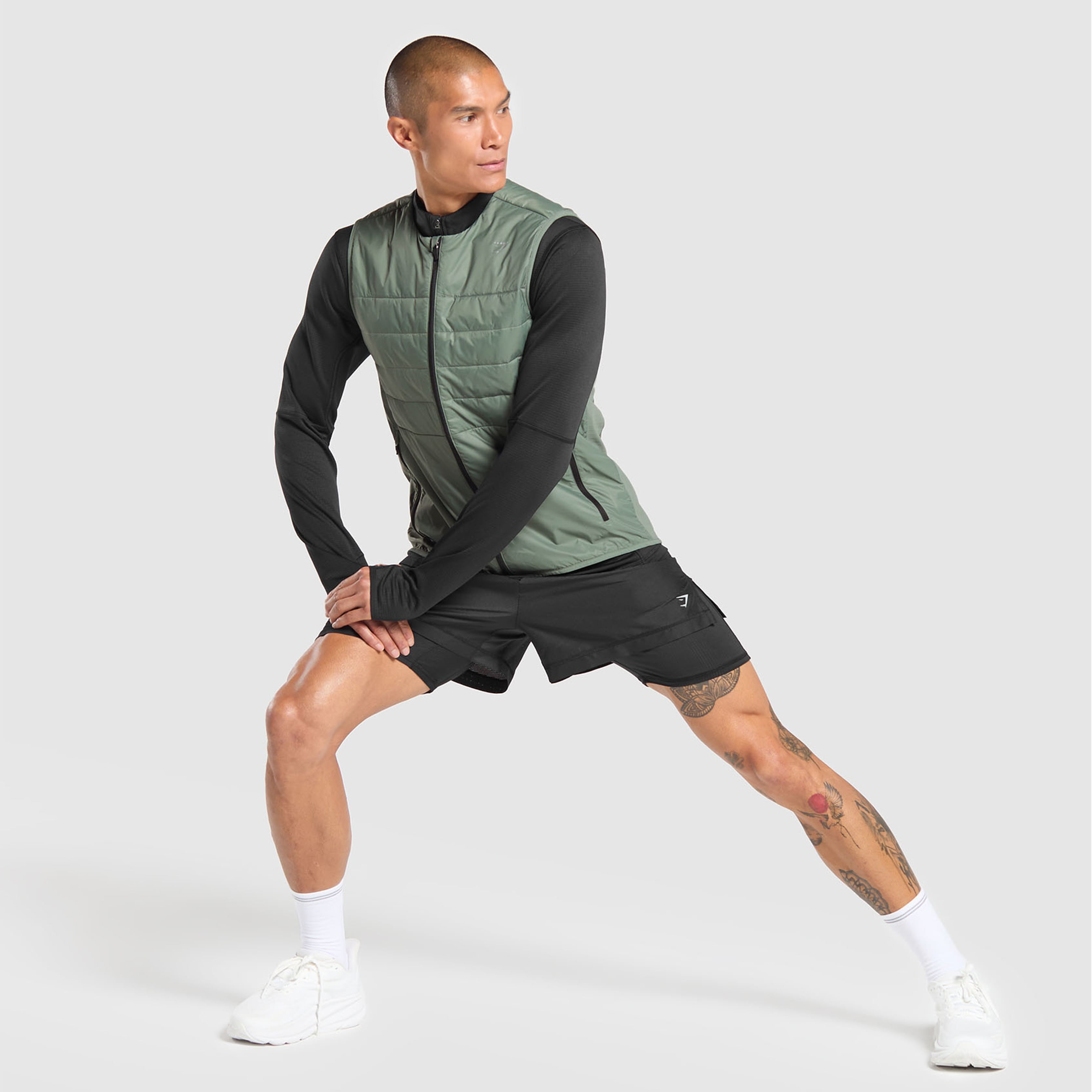
8. Lateral Lunges with Reach
How to do it:
Stand tall with feet wide apart.
Shift your weight to the left-hand side, bending your knee down and over your left foot whilst pushing your glutes back. Your right leg straight should remain straight. Head up.
Reach down toward the bent knee with both hands and touch the floor if you can.
Push through the left foot to return to the start position
Repeat on the other side for 10 reps per leg.
Benefits: Lateral movement lunges improve lateral hip mobility, which is often overlooked but is important for stabilizing the hips and glute strength. This mobility exercise also enhances balance and coordination which are especially important for navigating uneven terrain when trail running, and reducing injury risk.
9. Hamstring Scoops
How to do it:
Step one foot forward, placing your heel on the ground with your toes facing upwards.
Keeping your back straight, hinge at your hips and scoop your hands down toward your toes.
Return to standing and repeat 10 times per leg.
Benefits: This dynamic warm-up or post-run stretch improves hamstring flexibility and reduces tightness, which is crucial for maintaining full stride length [6]. Tight hamstrings mean short strides. It also gets the blood flowing to the target muscles, getting you nice and prepared to run.
Full-Body Mobility
Running involves the whole body, so full-body mobility exercises that target the key areas are a brilliant pre-run warm-up to reduce stiffness and improve ROM in multiple joints.
How to do it:
Start in a high plank position.
Step your right foot outside your right hand.
Rotate your right arm toward the ceiling, twisting through your thoracic spine.
Return to plank and repeat on the other side.
Benefits: This versatile mobility exercise has this name for a reason. It targets multiple areas, including the hips, hamstrings, and thoracic spine, and has been found to reduce the risk of injury and improve flexibility. This full-body mobility exercise prepares the whole body for dynamic movement, such as running.
Additional Strength Exercises To Add To Your Running Routine
Strengthening your knees is crucial for runners to maintain stability and reduce the risk of injury. Strong knees help support your body’s weight during every stride, taking a lot of impact. Incorporating these knee-strengthening exercises into your routine can improve joint function and help avoid common injuries like runners’ knee and patella tendinitis.
Knee Strength
Strengthening your knees is crucial for runners to maintain stability and reduce the risk of injury. Strong knees help support your body’s weight during every stride, taking a lot of impact. Incorporating these knee-strengthening exercises into your routine can improve joint function and help avoid common injuries like runners’ knee and patella tendinitis.
Knee Strengthening Exercises
Step-Downs
How to do it:
Stand on a step or box with both feet, the outside foot on the edge of the box.
Slowly lower the outside foot to the floor, bending as you do so but keeping your standing knee aligned over your toes.
Touch the floor with your heels and stand back upright.
Repeat 10 times and then swap legs.
Benefits: This exercise builds strength in the quadriceps and surrounding stabilizer muscles, which are key for knee stability. With good knee stability, your coordination and balance are improved, which will make it easier to handle uneven terrain while running.
Wall Sits
How to do it:
Stand against a wall with your back pressed straight against it.
Lower down as if you’re about to sit on a chair.
Hover here with your thighs parallel to the floor in a 90 degree position.
Keep your hands by your side or on your knees.
Hold for 20-30 seconds.
Benefits: Wall sits engage quads, hamstrings and glutes, strengthening the large muscles that support your knees. Building lower body strength improves overall knee stability, balance and running posture to reduce strain on your knees during long runs.
For more information on how you can strengthen your knees and the best exercises to do so, explore our guide tailored specifically for runners on the best knee-strengthening exercises.
Core Strength
A strong core helps to assist the spine and pelvis to keep you upright and running with the correct posture. You use your core constantly when running, especially your internal obliques as you twist, so developing strength here will also alleviate fatigue, soreness and improve your running endurance.
Core Strengthening Exercises
Dead-Bug
How to do it:
Lie on your back with your arms and legs raised above you.
Lower the opposite arm and leg toward the floor while keeping your core engaged.
Benefits: Deadbugs help build a stable core, which is essential for maintaining posture while running. They strengthen your deep core muscles that support your spine, reducing the risk of back pain and improving running form.
Plank with Shoulder Taps
How to do it:
Start in a plank position.
Tap your left shoulder with your right hand and alternate sides, minimizing hip movement.
Benefits: The plank with shoulder tap targets your entire core while also engaging your shoulders and upper body. It focuses on balance and stability, helping you maintain a strong, controlled posture while running, which can stop you from hunching over, even when fatigue kicks in.
Simple Mobility Workout Routine For Runners
This mobility workout routine is designed to enhance flexibility, reduce stiffness, and prepare your body for running. Perform this dynamic stretching and mobility routine either 2–3 times a week for general maintenance or before each run to warm-up. Afterwards, you can follow with a static stretching routine to release the tension. This routine takes about 10–15 minutes to complete.
Warm-Up (2–3 Minutes)
1. Cat-Cow
5 full breaths (inhale into Cow, exhale into Cat)
2. Dynamic Hamstring Scoops
10 reps per leg
Mobility Routine (10 Minutes)
1. Seated 90/90 Hip Stretch
Hold for 30 seconds per side.
2. Thoracic Spine Rotation
Perform 10 reps per side.
3. Hip Flexor to Hamstring Stretch
Perform 5 reps per leg, holding each stretch for 5 seconds.
4. Lateral Lunges with Reach
Perform 10 reps per leg, alternating sides.
5. Wall Ankle Mobility Drill
Perform 10 reps per leg.
6. Hip CARS (Controlled Articular Rotations)
Perform 5 rotations in each direction per leg.
7. Calf Raises
Perform 10–15 reps.
8. World’s Greatest Stretch
Perform 3 reps per side, holding each position for 5 seconds.
Optional Strength & Stability Additions (5 Minutes)
1. Wall Sits
2 sets of 30 seconds
2. Dead-Bug
2 sets of 10 reps per side.
Mobility For Runners FAQ:
Mobility vs. Flexibility: What Are the Differences?
Mobility and flexibility are often used interchangeably, but they’re not the same. Flexibility refers to the ability of your muscles to stretch. For example, touching your toes tests your hamstring flexibility. Mobility, on the other hand, is about the range of motion you can control.
Benefits and Differences
Flexibility
: Passive ability to lengthen muscles. Think of a seated forward fold.
Mobility
: Active control over joint movement. Imagine a dynamic kneeling hip flexor strength that engages strength at end range and coordination.
To improve mobility, focus on dynamic mobility stretches and exercises that engage the muscles through a full range of motion. Examples include lunges, 90/90 stretching, and controlled articular rotations (CARs).
Should you do mobility exercises before or after a workout?
Do dynamic mobility exercises before your run to prepare your body and static stretches afterward to relax and lengthen the muscles. Mobility stretches improve blood flow and range of motion, while static stretches help reduce muscle tension.
Is mobility good for runners?
Absolutely! Mobility enhances joint health, mitigates the risk of injuries, and improves running mechanics. Think of it as a maintenance plan for your body that keeps you running strong. The less you do it, the more you’ll run into issues.
How can runners become more flexible?
Incorporate a mix of static and dynamic stretches into your routine. We’ve covered a number of dynamic movements, some static stretches you can add to your routine are:
Hamstring Stretch
: Sit on the ground, extend one leg, and reach toward your toes. Hold for 30 seconds per side.
Quad Stretch
: Stand on one leg, pulling the opposite heel toward your glutes. Hold for 30 seconds.
Remember consistency and patience are crucial, flexibility doesn’t happen overnight. Why not give yoga a try?
How often should I do mobility exercises?
For best results, aim to include mobility exercises 3–5 times per week. This can be part of your warm-up before running, your cool-down afterwards, or even on rest days. For example:
Before a run
: Dynamic exercises like hamstring scoops or lateral lunges to prepare your joints and activate your muscles.
Post-run or rest days
: Static stretches such as pigeon pose, forward folds and deep squats to improve flexibility and relieve tension.
How long does it take to see results from mobility exercises?
With consistent practice, you can expect to see noticeable improvements in several weeks, and long-term effects over a couple of months. This does all depends on your starting level of flexibility, and how often you practice. Regular mobility and stretching routines are known to reduce stiffness and improve functional performance over time, so it’s well worth the effort [7].
Fancy a new running outfit?
Final Thoughts
Mobility can be easy to overlook, especially when you just want to get out and start running, or finish your workout early. But mobility exercises are key to your running performance and long-term health. If you want to improve your flexibility, joint stability and muscle strength for injury-free running, start adding our simple mobility routine to your weekly training plans.
From enhancing posture to reducing recovery time, the benefits of mobility work are extensive and they can make a world of difference. So embrace mobility as a part of your running journey and you’ll not only run better but ensure your body remains strong and resilient for years to come!
References:
*What is force production?
Force production in running refers to the loading and unloading of tension in the body, like a coil that springs in a certain direction. When you run, you generate force when your feet push off the ground.
[1] https://pubmed.ncbi.nlm.nih.gov/1487346/
[2] https://www.sciencedirect.com/science/article/abs/pii/S016794571930274X
[3] https://pubmed.ncbi.nlm.nih.gov/38724071/
[4] https://modded.com/fitness/unlocking-strength-and-mobility-with-car-hips/
[5] https://link.springer.com/journal/40279